



Key Takeaways
- Dual Purpose: An obituary fulfills both an administrative purpose (service timing and venue details) and an emotional purpose (biographical commemoration).
- Professional Collaboration: Mortuary directors and administrative staff assist families in proofreading drafts, checking dates, and syndicating notices to local and regional media.
- Medium Selection: Families can choose between traditional print newspapers, modern digital memorial websites, or hybrid strategies depending on budget and target audience reach.
- Financial Preparedness: Final expense planning and specialized insurance coverage help cover publication costs, service fees, and administrative burdens.
Understanding the Role and Purpose of a Funeral Home Obituary
Definition and Differentiation from Death Notices
To understand the obituary process, it is first essential to distinguish between a standard death notice and a full obituary. A death notice is typically a brief, straightforward legal or administrative announcement placed in a newspaper or online portal. It generally contains only the deceased person’s name, age, city of residence, date of passing, and basic service information.
Conversely, a traditional funeral home obituary is an expansive narrative tribute. It provides a window into the individual’s character, professional milestones, personal passions, community involvement, and family connections. While a death notice informs the public that a death has occurred, every detailed funeral home obituary celebrates who the person was throughout their lifetime.
Core Components Included in a Standard Notice
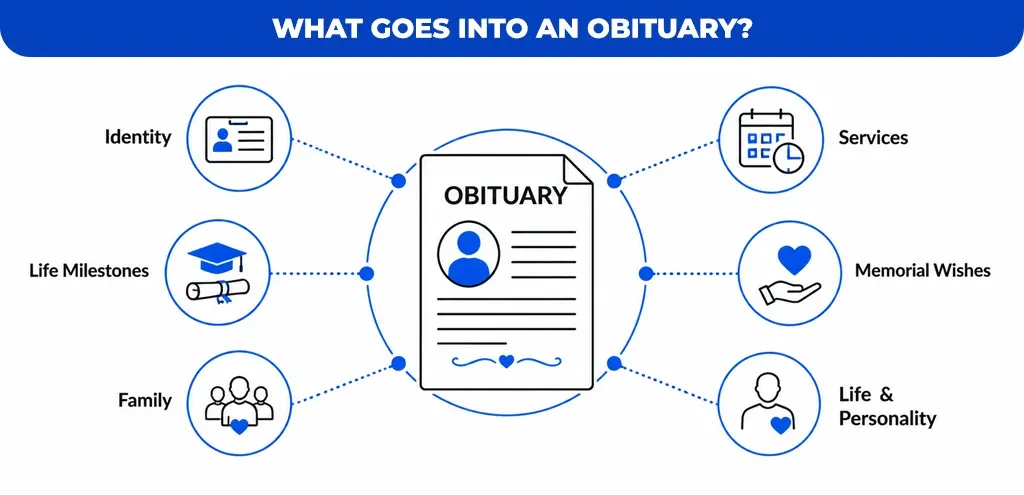
Drafting a complete and accurate notice requires gathering precise biographical, genealogical, and logistical information. When preparing a standard funeral home obituary, standard elements include:
- Biographical Identification: Full legal name (including maiden names or nicknames), age, city of residence, and exact date of passing.
- Life Milestones: Educational background, university degrees, career achievements, military service records, and local community organization memberships.
- Surviving and Predeceased Family: Clear listing of immediate family members, including spouses, children, siblings, parents, and grandchildren, alongside notes for those who passed away prior.
- Service Schedule: Exact dates, times, and venue addresses for visitations, viewings, religious ceremonies, celebrations of life, and interments or committal services.
- Memorial Designations: Specific instructions regarding charitable donations made in lieu of flowers, or designated floral drop-off locations.
Publication Channels and Modern Reach
Obituaries are distributed across diverse platforms to maximize community awareness. Traditional options include regional and local print newspapers, while digital solutions involve dedicated mortuary hosting platforms and broader national databases. Families frequently utilize institutional online pages such as regional mortuary directories hosting an official funeral home obituary to ensure family members living out of state can instantly access service details and pay their respects.
Step-by-Step Guide to Writing a Meaningful Tribute
Capturing Personal Essence and Voice
Writing a tribute that feels authentic requires moving beyond a rigid chronological list of facts. To truly capture a person’s essence within a published funeral home obituary, focus on highlighting their unique quirks, lifelong passions, career triumphs, and defining personality traits. Incorporating brief, fond anecdotes about how they interacted with friends, supported their community, or enjoyed their hobbies transforms a standard announcement into a moving portrait of a life well-lived.
Structuring the Narrative Flow
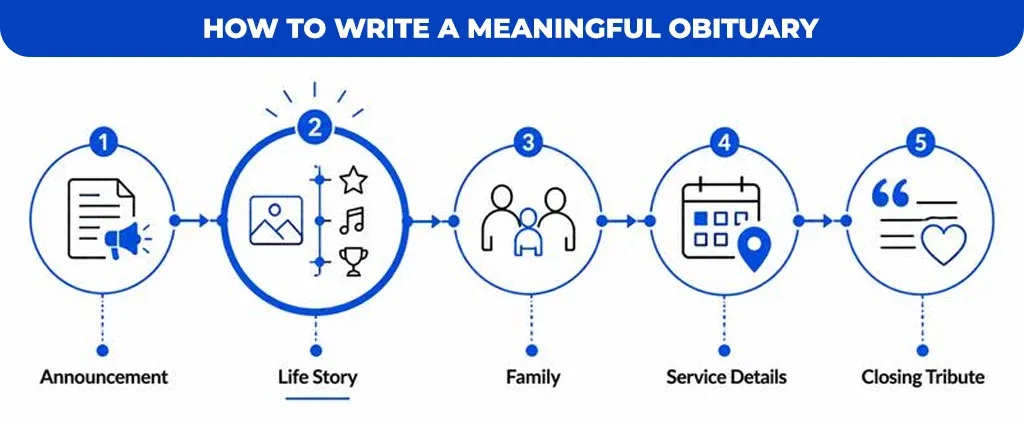
- The Opening Announcement: State the full legal name, age, and location of passing clearly. Avoid a complex preamble so readers immediately grasp the subject of the notice.
- The Life Story: Summarize early life, upbringing, education, career path, and major personal accomplishments.
- The Family Network: Acknowledge surviving relatives and note family members who predeceased the individual.
- Service Logistics: Clearly outline when and where family members, friends, and community members can gather to offer condolences and attend services.
- Closing Tribute: End with a meaningful quote, a favorite phrase of the deceased, or precise instructions regarding memorial contributions and charity donations.
Striking the Right Tone and Style
The tone of a professional funeral home obituary must balance solemn respect with celebrating a unique life. While traditional notices often adhere to formal, conservative language, modern writing styles embrace a warm, conversational, and narrative-driven voice that genuinely reflects the personality of patrons featured in any thoughtful funeral home obituary.
Coordinating Publishing Details with Your Funeral Director
Collaborating with Mortuary Staff
Navigating the technical requirements of publishing an announcement is much easier when working alongside experienced funeral directors and administrative staff. Mortuary professionals assist families in drafting text, verifying dates, formatting photographs, and syndicating notices to regional publications. Their experience helps prevent common errors, such as misspelled names or incorrect service times, which can cause confusion among mourners reading the local funeral home obituary.
Managing Deadlines and Timing
Timing is a critical factor in obituary publication. Newspapers and digital media publishers maintain strict production deadlines, often requiring final copy 24 to 48 hours prior to scheduled services or print press runs. Prompt submission ensures that community members receive adequate notice to adjust their schedules and attend memorial gatherings outlined in the printed funeral home obituary.
Cost Structures and Package Options
Publication expenses vary widely depending on the chosen platform and medium. Traditional print newspapers typically charge by column inch or exact word count, making extensive, multi-photo notices quite expensive. In contrast, online-only hosting through a digital portal or featuring a permanent funeral home obituary on an independent memorial website is frequently bundled into standard mortuary service packages or offered at minimal additional cost.
Traditional Print vs. Digital Obituaries: A Comparative Analysis
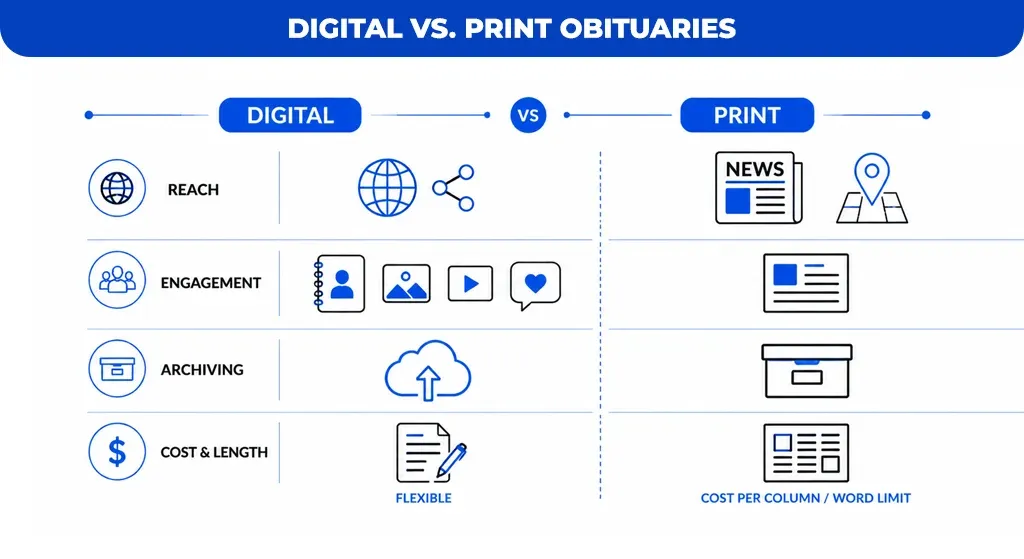
Evaluation Metric | Digital Obituaries | Print Newspapers |
Reach and Global Accessibility | Infinite global reach via the internet; easily shared across social media and messaging platforms. | Strong local and regional readership, highly effective for reaching older demographics and local community elders. |
Interactivity and Engagement | Features interactive online guestbooks, digital candle lighting, photo galleries, and video tributes. | Static text and fixed black-and-white or color images with zero post-publication engagement options. |
Archival Permanence | Long-term digital archiving accessible indefinitely via search engines and dedicated memorial databases. | Limited strictly to the physical newspaper edition date or paid, subscription-locked digital archives. |
Cost and Length Constraints | Frequently included in baseline funeral packages; virtually no word limits or extra fees for length. | Strict word-count limits; high financial costs per column inch for extended narratives and multiple photos. |
Preserving Legacies and Managing Final Expenses
Creating Permanent Digital Memorial Pages
Beyond standard text announcements, many families establish permanent online memorial pages. These dedicated digital spaces allow friends, distant relatives, and community members to upload photographs, share personal anecdotes, and revisit fond memories for years to come, creating a living archive that supplements any traditional funeral home obituary.
Financial Planning for Final Arrangements
Navigating end-of-life arrangements involves accounting for various administrative expenses, including mortuary service fees, casket or cremation costs, floral arrangements, and obituary publication fees. Proactive financial planning protects surviving family members from unexpected economic burdens during an already stressful period.
Comprehensive financial planning and final expense coverage options are designed to protect your family from unexpected economic burdens. Visit Assurance Gurus to explore dedicated coverage solutions today and ensure your family’s financial security is handled with professional care.