



Financial security for the people you love shouldn’t feel like decoding a secret language. Yet for most families, the moment they start requesting term insurance quotes online, that’s exactly what happens: a flood of numbers, riders, and fine print that seems designed to confuse rather than clarify.
The truth is simpler than it looks. Term life insurance is one of the most straightforward financial products available, but comparing quotes accurately requires knowing what actually drives the price, what to look for beyond the sticker number, and how to avoid the traps that inflate your premium unnecessarily.
This guide walks you through everything: how term life insurance quotes are calculated, the factors that move your price up or down, a step-by-step framework for comparing carriers like a professional, and answers to the questions families ask most often before they buy.
What Are Term Insurance Quotes and Why Do They Matter?
Understanding Term Insurance Quotes
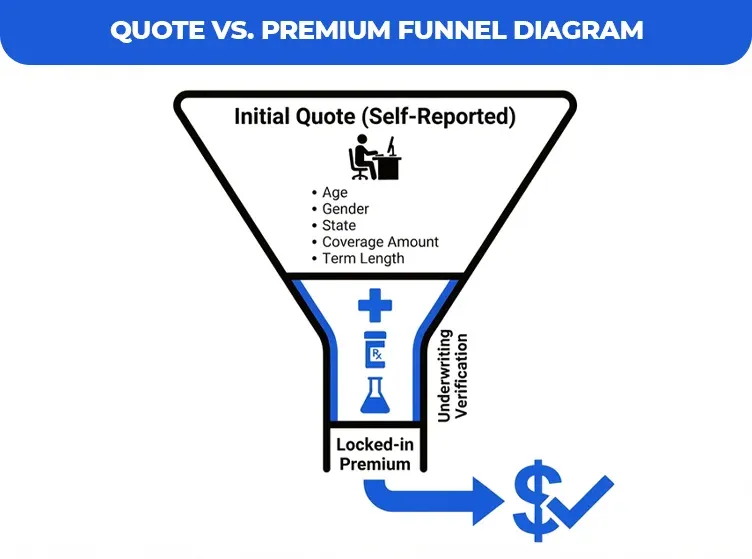
A term insurance quote is an estimated price for coverage, calculated from a small set of self-reported details: your age, gender, state, desired death benefit, and term length (typically 10, 20, or 30 years). It is not a final offer. Think of it as a preview based on the information you volunteer before an insurer verifies anything.
The purpose of term life insurance itself is refreshingly simple. Unlike permanent policies, term life insurance provides a large death benefit for a defined period at a comparatively low cost, making it the go-to option for people who need maximum protection while raising children, paying off a mortgage, or covering other time-limited financial obligations.
Why Accurate Estimates Are Vital
A quote that looks great on a comparison page but ignores your actual health history is a quote you can’t rely on. Underwriting, the formal review of your medical records, prescription history, and sometimes a lab exam, is what turns an estimate into a locked-in premium.
According to industry data compiled by LIMRA (the Life Insurance Marketing and Research Association), term life insurance remains dramatically more affordable than permanent coverage for the same death benefit, which is a major reason it continues to be the most commonly purchased type of life insurance among young and middle-income households.
Key Factors That Influence Your Term Insurance Quotes
What Insurance Companies Look At
Every carrier uses its own underwriting formula, but nearly all of them weigh the same core inputs. Understanding these variables is the fastest way to predict and potentially lower your own quote.
Age, Health, and Lifestyle Impact
- Age and Gender: Mortality risk rises with age, so locking in a policy in your 20s or 30s secures dramatically lower rates than waiting until your 40s or 50s. Because women statistically live longer than men, they typically see slightly lower premiums for identical coverage.
- Health Status: Your medical history, current prescriptions, BMI, and family history of conditions like heart disease or cancer all factor into your risk class. This is also where common questions arise, such as whether applicants with diabetes or a pacemaker can qualify.
- Lifestyle Choices: Tobacco and nicotine use can double or triple your premium. High-risk hobbies such as skydiving or scuba diving, along with a poor driving record, can also push your rate class higher.
- Coverage Details: The term length you choose (10, 20, or 30 years) and the death benefit amount ($250,000, $500,000, $1 million or more) are the two biggest levers you control directly.
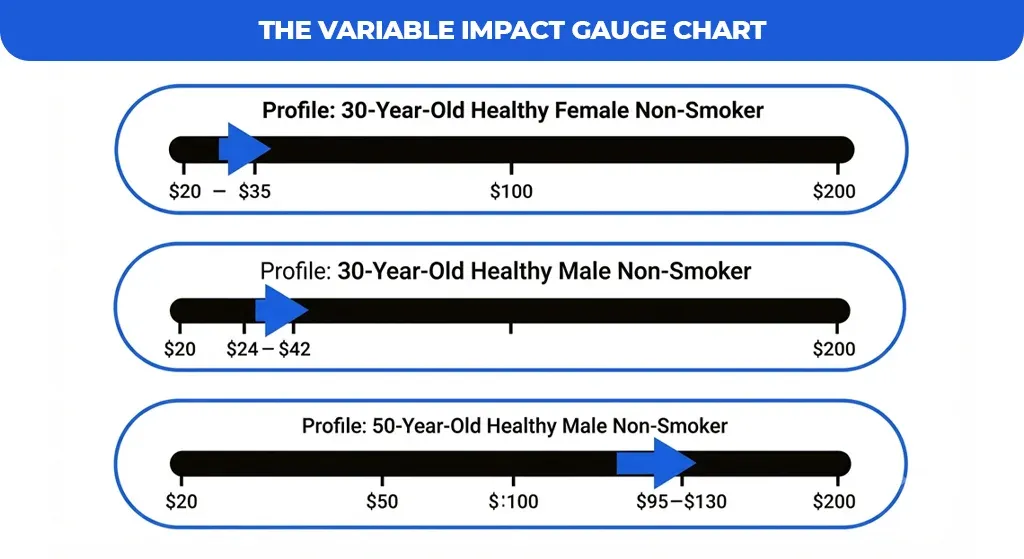
To put these variables in perspective, here’s how age alone can move the price for an identical policy a $500,000, 20-year term:
| Applicant Profile | Estimated Monthly Premium | Estimated Annual Premium |
| 30-year-old, healthy, non-smoker | $24 – $32 | $288 – $384 |
| 50-year-old, healthy, non-smoker | $95 – $130 | $1,140 – $1,560 |
How to Compare Term Insurance Quotes Like a Pro
Step-by-Step Comparison Strategy
- Compare apples to apples. Make sure every quote you request uses the same death benefit and term length. A $500,000, 20-year quote from one carrier isn’t comparable to a $400,000, 15-year quote from another.
- Check financial strength ratings. A cheap policy is worthless if the carrier can’t pay claims decades from now. Independent agencies such as AM Best and Standard & Poor’s grade insurers on their long-term financial stability; look for an AM Best rating of A or higher.
- Evaluate the riders. Riders like an Accelerated Death Benefit (early payout for terminal illness), a Waiver of Premium (keeps coverage active if you become disabled), or a Child Term Rider can add meaningful value for a modest cost increase.
- Confirm conversion privileges. A strong term policy can be converted to permanent coverage later without a new medical exam. This protects you if your health declines before your term ends, and you still want lifelong coverage.
Looking Beyond the Price Tag
The lowest quotes for term insurance aren’t always the best value. The National Association of Insurance Commissioners (NAIC) publishes consumer guidance encouraging shoppers to review a carrier’s complaint index and licensing status in their state before purchasing, not just the headline premium. A slightly higher monthly cost from a highly rated, well-reviewed insurer is often the smarter long-term decision.
Step-by-Step Guide to Getting and Locking In Your Best Quote
Preparing Before You Apply
Before you request quotes, gather the basics so the process moves quickly and your estimates stay accurate:
- Government-issued ID and Social Security number
- Income verification (pay stubs or tax returns), especially for higher coverage amounts
- A summary of your medical history, current medications, and any past diagnoses
- Beneficiary names and contact details
Many shoppers start with online comparison tools to see term life insurance quotes online from multiple carriers side by side. Use a reputable, licensed brokerage rather than an unfamiliar site, and be cautious about sites promising term life insurance quotes without personal information. Some accurate estimates are possible with minimal data, but a truly bindable quote will always eventually require identity and health verification.
The Medical Exam and Underwriting Process
For most fully underwritten policies, the insurer will schedule a free paramedical exam, either in your home or at a local clinic. A licensed professional will typically record your height, weight, and blood pressure, and collect a blood and urine sample.
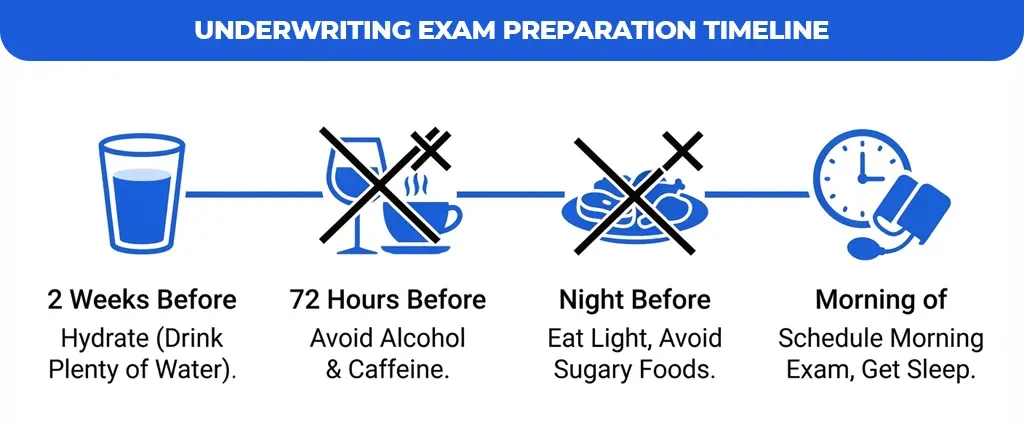
Consumer finance resources such as NerdWallet and Forbes Advisor consistently recommend the same preparation steps in the one to two weeks before your exam:
- Drink plenty of water in the days before the test
- Steer clear of alcohol and caffeine at least 24 hours in advance
- Skip heavy, salty, or high-sugar meals the night before
- Get a full night’s sleep and schedule the exam for the morning, before your day gets stressful
Following these steps won’t change your underlying health, but it can prevent temporary spikes in blood pressure or cholesterol readings from unfairly inflating your final premium.
Term Insurance vs. Related Coverage: Knowing the Difference
Term insurance often gets grouped together with other protection products, but each serves a different purpose. If you’re comparing a long-term care insurance quote or short-term disability insurance quotes alongside your life insurance research, it helps to see how they differ side by side:
| Coverage Type | Best For | Typical Duration |
| Term Life Insurance | Income replacement, mortgage protection | 10, 20, or 30 years |
| Long Term Care Insurance | Covering nursing home, assisted living, in-home care | Ongoing, benefit-period based |
| Long Term Disability Insurance | Replacing income if you can’t work due to illness/injury | Until retirement age or recovery |
| Short Term Disability Insurance | Bridging income gaps during short-term recovery | 3 – 6 months typically |
Final Thoughts
Comparing term life insurance policy quotes doesn’t have to be intimidating once you know what’s actually driving the number on the screen. Lock in your rate while you’re younger and healthier, compare identical coverage across financially strong carriers, and look past the premium to the riders and conversion terms that protect you decades down the road.
The families who get the best value aren’t the ones who found the single cheapest quote; they’re the ones who understood exactly what they were buying before they signed. Take the time to compare thoroughly, ask questions, and choose coverage that will genuinely be there when your loved ones need it most.